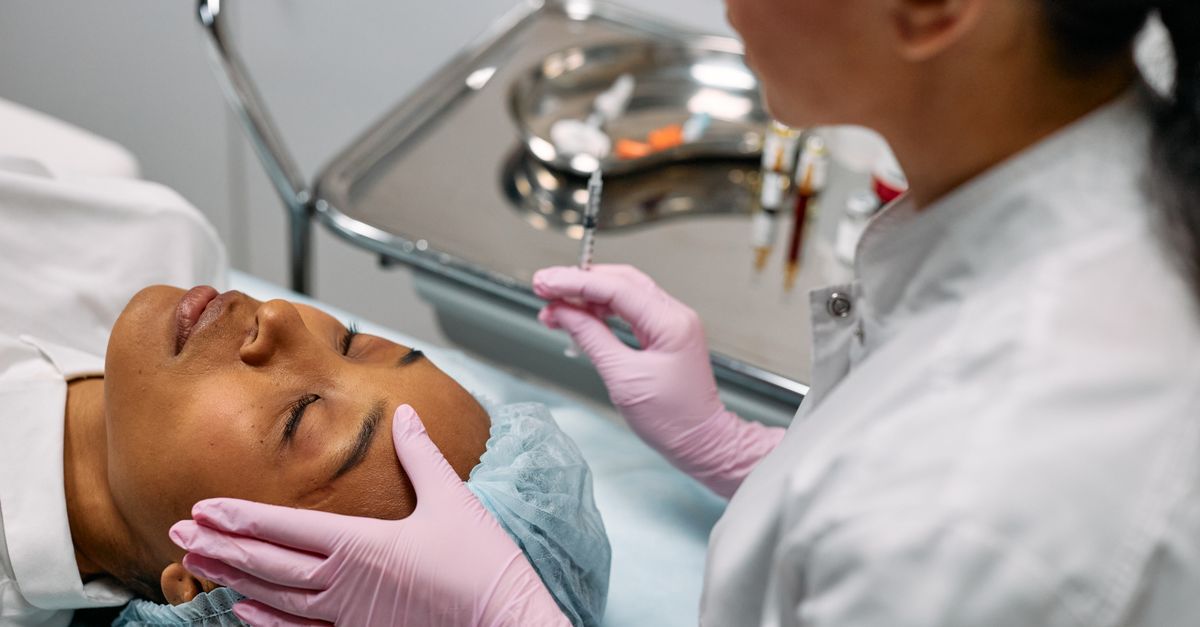
A Comprehensive Guide to Choosing the Right Laser Treatment
Table Of Contents
Preparing for Your Consultation
Understanding the purpose of your consultation is essential. This meeting not only allows you to learn about the various laser treatments available but also gives your specialist a chance to assess your specific needs and skin type. Arriving prepared with your medical history, including any medications or skin conditions, can help your specialist tailor their recommendations. Being honest about your goals for treatment ensures you receive the most suitable options.
Prior to your appointment, consider making a list of questions you want to ask. Inquire about the different types of laser technologies used and how they relate to your desired outcomes. It is also helpful to discuss potential risks, side effects, and the expected recovery timeline. Gathering as much information as possible will empower you to make informed decisions about your treatment journey.
Questions to Ask Your Laser Specialist
Understanding the specifics of the procedure is crucial. Inquire about the technology used in the laser treatment. Different lasers target various skin concerns, and knowing the type will help you gauge the treatment's suitability. Additionally, ask about the expected number of sessions required for optimal results. This information can assist in planning your schedule and budget.
Discussing potential side effects is equally important. Inquire about common reactions and the specialist's experience in managing them. Understanding what to expect can alleviate anxiety and help you prepare mentally and physically. Finally, don’t hesitate to ask about the specialist’s credentials and experience. This will ensure you are in capable hands throughout the treatment process.
The Cost of Laser Treatments
Laser treatments can vary significantly in price depending on several factors. The type of treatment required influences the overall cost, with some procedures being more complex and requiring more time than others. Additionally, the provider’s experience, geographical location, and facility standards can affect how much you will need to pay.
Insurance coverage may also play a role in the overall cost. Many procedures are considered elective and may not be covered by insurance plans. It is important to clarify payment options during your consultation. Some clinics offer financing plans or payment options to help manage expenses over time, making treatment more accessible for patients.
Factors Influencing Treatment Pricing
The pricing of laser treatments can vary significantly based on multiple factors. The type of laser technology used plays a crucial role; advanced systems often lead to higher costs due to their capabilities and efficacy. Additionally, the specific condition being treated and its complexity can influence the overall price. More extensive treatments or those that require multiple sessions typically incur greater charges.
The qualifications and experience of the practitioner also impact pricing. Highly trained specialists with extensive experience may charge premium rates compared to those who are less qualified. Geographic location can further affect costs; larger urban areas often have higher prices due to increased demand and higher operating expenses. Ultimately, understanding these influences can help individuals make informed decisions about laser treatment options.
Post-Treatment Care
After undergoing laser treatment, proper care is essential to ensure optimal healing and results. It is crucial to follow the specific guidelines provided by your laser specialist. Keeping the treated area clean and moisturized can aid in the recovery process. Sun protection is paramount, especially for procedures involving skin resurfacing. Wearing a high-SPF sunscreen or protective clothing can help prevent complications such as hyperpigmentation.
Monitoring for any unusual symptoms is also important after your treatment. Redness and swelling are common but should gradually diminish. If you notice increased pain, unusual discharge, or persistent irritation, it is advisable to contact your healthcare provider. Adhering to any prescribed medications or topical treatments is essential for minimizing discomfort and promoting healing. Following these guidelines can significantly impact the success of your treatment and the overall satisfaction with the results.
Essential Aftercare Tips for Optimal Results
After undergoing laser treatment, proper care is crucial to achieving optimal results. Gently cleanse the treated area with a mild soap to eliminate any impurities. Moisturizing is important as it helps to keep the skin hydrated and promotes healing. Avoid picking at the treated skin to reduce the risk of scarring or infection. Sun protection should be a priority; applying sunscreen with a high SPF prevents pigmentation changes and supports the recovery process.
Follow the specific guidelines provided by your specialist for the best outcomes. It is essential to attend any follow-up appointments to monitor progress and address concerns. Staying well-hydrated aids in the recovery process. If any unusual symptoms arise, such as excessive redness or swelling, contact your laser specialist immediately. Adhering to these aftercare tips enhances the benefits of the treatment and contributes to long-lasting results.
FAQS
What should I expect during my consultation for laser treatment?
During your consultation, you can expect a thorough evaluation of your skin and a discussion about your medical history, goals, and the type of laser treatment that may be suitable for you. Your specialist will also explain the procedure, potential risks, and expected outcomes.
How do I choose the right laser specialist?
To choose the right laser specialist, look for credentials, experience, and reviews from previous patients. It's important to ensure they are board-certified and have a good track record with the specific type of laser treatment you are considering.
What factors influence the cost of laser treatments?
The cost of laser treatments can be influenced by several factors, including the type of treatment, the technology used, the experience of the practitioner, the location of the clinic, and the number of sessions required for optimal results.
What are the essential aftercare tips following laser treatment?
Essential aftercare tips include keeping the treated area clean, applying any prescribed ointments or creams, avoiding sun exposure, refraining from picking at any scabs, and attending follow-up appointments to monitor healing.
How long does it take to see results from laser treatment?
The time it takes to see results from laser treatment can vary depending on the type of treatment and individual skin response. Some patients may notice improvements within days, while others may take several weeks or even months to see the full effects.
Related Links
Safety Considerations for Laser Treatments at Cosmetic ClinicsFrequently Asked Questions About Laser Treatments
Selecting a Reputable Cosmetic Clinic for Laser Procedures
Post-Treatment Care for Laser Therapy: Essential Tips
The Role of Laser Treatments in Skin Rejuvenation