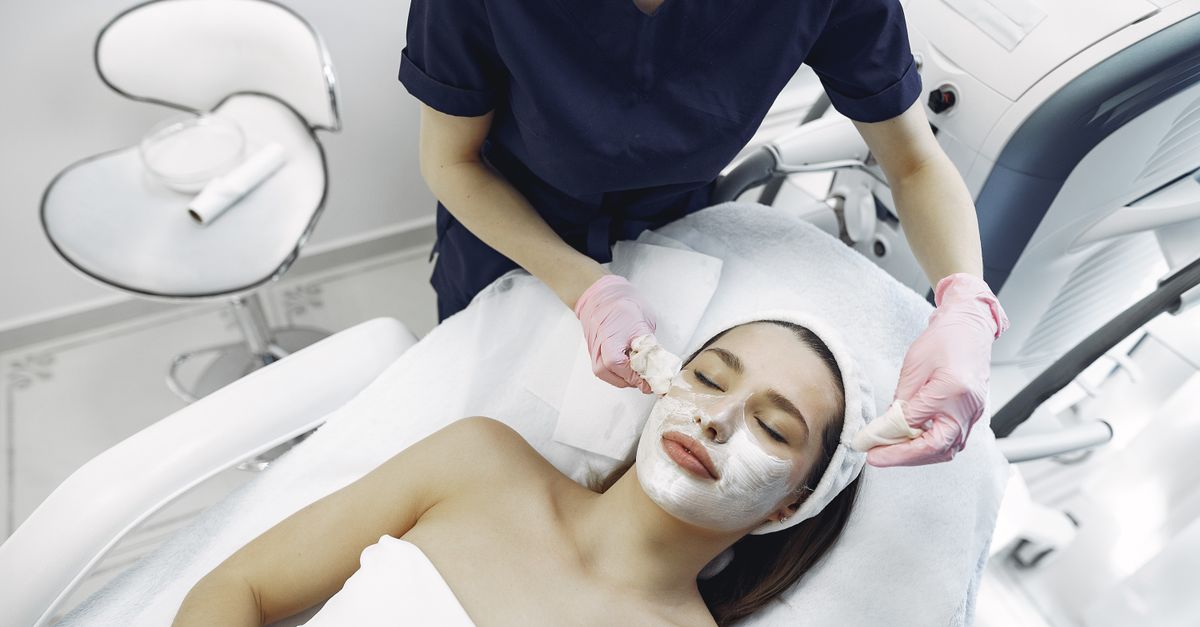
Comparing Microdermabrasion and Chemical Peels for Skin Renewal
Table Of Contents
Benefits of Chemical Peels
Chemical peels offer a range of advantages for those seeking skin rejuvenation. They work by exfoliating the outermost layers of skin, which can lead to a brighter, more even complexion. This treatment can effectively address various skin concerns, such as fine lines, wrinkles, and rough texture. The result is often a smoother appearance that enhances the skin's overall quality.
Another notable benefit is their ability to promote cell turnover and encourage the growth of new, healthy skin. This process stimulates collagen production, contributing to firmer skin over time. Additionally, chemical peels can be customized based on an individual's skin type and concerns, making them a versatile option for a wider range of clients. This personalization allows for targeted treatment, maximizing results while addressing specific skin issues effectively.
Addressing Acne and Hyperpigmentation
Chemical peels can be particularly effective in treating acne and reducing hyperpigmentation. The different types of acids used in these peels, such as salicylic and glycolic acid, work to exfoliate the skin and unclog pores. This process helps reduce the frequency and severity of breakouts. Additionally, chemical peels can lighten dark spots and uneven skin tone by promoting cell turnover and encouraging new skin growth.
The results can vary depending on the strength of the peel and the individual's skin type. In many cases, multiple treatments may be needed to achieve the desired results. Patients with active acne or very sensitive skin should consult with a dermatologist to determine the best approach. The potential for inflammation or irritation underscores the importance of professional guidance in selecting the right peel for specific skin concerns.
Common Uses for Chemical Peels
Chemical peels serve a variety of purposes and can benefit many skin concerns. They are often employed to address issues such as acne, uneven skin tone, and fine lines. By accelerating cell turnover, these treatments can help achieve smoother skin and enhance overall texture. Beyond aesthetic improvements, deeper peels can also assist in treating more severe skin conditions like melasma or deep-rooted acne scars.
The versatility of chemical peels makes them suitable for different skin types and concerns. They can be tailored to treat specific conditions, including age spots and sun damage. Patients frequently seek chemical peels as part of their ongoing skin care regimen, especially for maintaining a youthful appearance. Regular treatments can contribute significantly to the long-term health and vitality of the skin.
Skin Concerns Best Treated
Chemical peels are particularly effective for treating various skin concerns such as acne scars, sun damage, and uneven skin tone. The exfoliating properties of chemical solutions help to remove dead skin cells and promote new cell growth. This process can significantly improve the appearance of hyperpigmentation and textural irregularities, offering a rejuvenated look for many individuals.
Moreover, individuals with oily or acne-prone skin may find chemical peels beneficial in controlling excess sebum production and minimizing breakouts. The penetration of exfoliating agents can clear clogged pores, contributing to a clearer complexion over time. Additionally, certain chemical peels contain ingredients like salicylic acid, which specifically target acne, making them a potent option for those struggling with this common issue.
Comparing Safety and Side Effects
Both microdermabrasion and chemical peels have reputable safety records, though individual reactions can vary based on skin type and sensitivity. Microdermabrasion generally presents fewer side effects. Redness and mild irritation are common but typically resolve quickly. This treatment is non-invasive and does not involve chemicals, which can be a benefit for those with sensitive skin.
On the other hand, chemical peels often present a wider array of potential side effects owing to the nature of the acids and the depth of penetration. Common issues include peeling, redness, and increased sensitivity to sunlight following treatment. Deeper peels can sometimes result in more significant discomfort and longer recovery times. It is crucial for individuals to discuss these risks with a qualified professional to determine which option aligns best with their skin concerns and health history.
Potential Risks of Each Treatment
Microdermabrasion typically involves minimal downtime, but there are some potential side effects. Common reactions include temporary redness, swelling, and sensitivity in the treated area. Patients may also experience mild exfoliation, which can resemble a sunburn. It is crucial to avoid sun exposure immediately following the treatment to prevent further irritation and damage to the skin. In rare cases, there can be more severe reactions such as scarring or changes in skin pigmentation.
Chemical peels, while effective, can also carry certain risks that should not be overlooked. The depth of penetration determines the severity of potential side effects, with deeper peels often leading to increased chances of complications such as blistering, crusting, or infection. Discoloration or unexpected changes in skin tone can occur, especially in individuals with darker skin types. Appropriate post-treatment care is essential to minimize these risks and ensure optimal results.
FAQS
What are the primary differences between microdermabrasion and chemical peels?
Microdermabrasion is a physical exfoliation treatment that removes the outer layer of dead skin cells using a device, while chemical peels use chemical solutions to exfoliate the skin and promote regeneration at a deeper level.
Which treatment is better for addressing acne scars?
Chemical peels are often considered more effective for addressing acne scars, especially deeper scars, because they can penetrate more deeply into the skin compared to microdermabrasion, which primarily targets surface-level imperfections.
How often can I undergo microdermabrasion or chemical peels?
Microdermabrasion can typically be performed every 2 to 4 weeks, while chemical peels can vary; superficial peels may be done every few weeks, whereas medium to deep peels usually require a longer recovery time and are done less frequently.
Are there any side effects associated with these treatments?
Yes, both treatments can have side effects. Microdermabrasion may cause temporary redness and sensitivity, while chemical peels can result in redness, peeling, and irritation depending on the depth of the peel used.
Can I have both microdermabrasion and chemical peels in my skincare routine?
Yes, many people choose to combine treatments for enhanced results. However, it is essential to consult with a skincare professional to determine the best schedule and method for your specific skin concerns and needs.
Related Links
Understanding the Benefits of Chemical PeelsInnovative Techniques in Skin Rejuvenation at Gold Coast Clinics
Customised Skincare Plans Following Rejuvenation Procedures
Preparing Your Skin for a Rejuvenation Treatment
Addressing Common Skin Concerns with Advanced Rejuvenation Techniques
Post-Treatment Care for Optimal Skin Rejuvenation Results