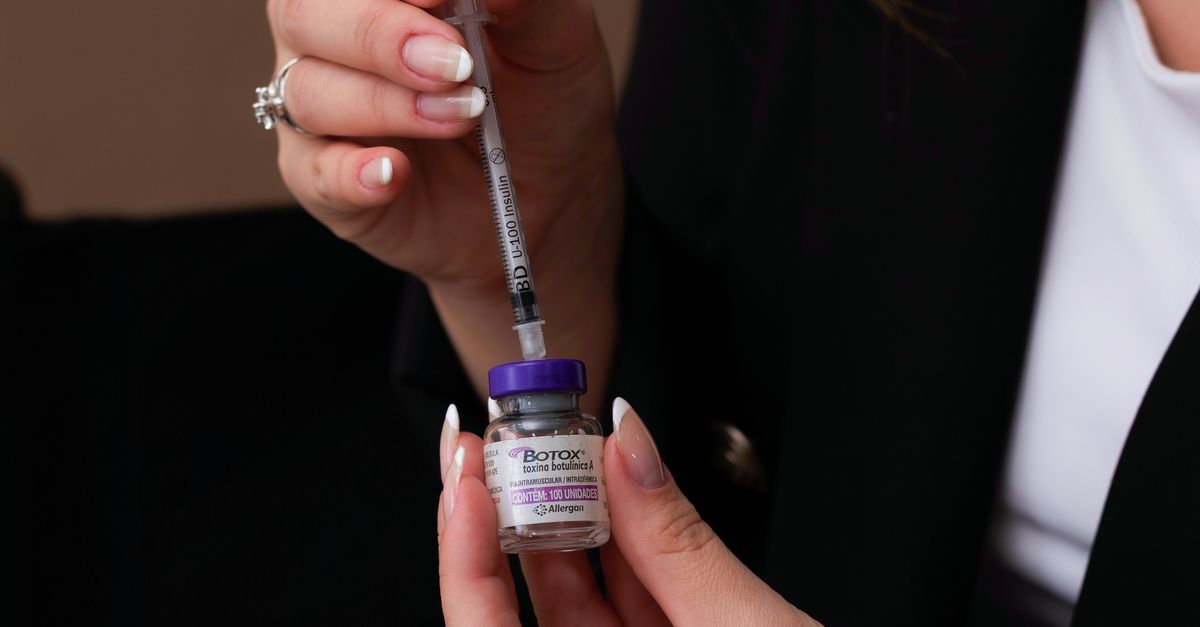
How to Care for Treated Areas in the Days Following Treatment
Table Of Contents
Monitoring for Adverse Reactions
After any treatment, it is crucial to monitor the affected areas for any signs of adverse reactions. Look for symptoms such as increased redness, swelling, or unexpected pain that may occur in the days following the procedure. Changes in skin texture or the appearance of rashes can also be indicators that further attention is needed. Documenting these changes can help in discussions with healthcare providers.
Be vigilant for signs of infection, including discharge or a foul odor. Fever or chills may indicate a systemic response to the treatment. If any of these symptoms manifest, it is important to reach out to your healthcare professional promptly. Early detection and intervention can prevent complications and promote better recovery outcomes.
Signs of Complications to Watch For
After treatment, it's crucial to keep an eye out for any unusual signs that may indicate complications. Redness, swelling, or excessive tenderness around the treated area can be common, but if these symptoms worsen or do not subside within a few days, it could indicate an issue. Other potential signs to be vigilant about include pus or unusual drainage, intense pain that seems disproportionate to the procedure, or any fever that develops. Noticing these symptoms early is key to addressing any problems effectively.
Changes in skin color, such as darkening or lightening in the treated area, might also require further evaluation. It’s important to monitor for any persistent itching, rash, or unexpected changes in sensation. If any of these signs arise, seeking timely medical advice is advisable. Keeping detailed notes about any symptoms can help healthcare providers understand the situation better during follow-up appointments.
Cleaning Treated Areas
After treatment, maintaining cleanliness in the affected areas is crucial. Gently washing the treated skin helps remove any debris or potential irritants. Use mild, fragrance-free cleansers that will not exacerbate sensitivity. Avoid scrubbing the area, as this can lead to irritation and delay healing. Instead, opt for a soft cloth or the pads of your fingers to apply the cleanser. Rinse thoroughly with lukewarm water, ensuring no product residue remains.
Moisturizing the area post-cleanse is essential for proper healing. Apply a thin layer of a gentle, non-comedogenic moisturizer to help maintain hydration. Avoid heavy creams or those with strong active ingredients, as these may cause irritation or disrupt the healing process. Always consult with your healthcare provider for specific product recommendations, tailored to your skin type and the nature of the treatment received.
Best Practices for Gentle Cleansing
Gentle cleansing is essential to protect treated areas from irritation and infection. Use lukewarm water and avoid hot temperatures, as they can aggravate sensitive skin. Opt for a mild, fragrance-free cleanser specifically formulated for delicate skin. Refrain from using scrubs, loofahs, or any abrasive materials that might disrupt the healing process. Pat the area dry with a clean soft towel rather than rubbing.
It is important to maintain a consistent cleansing routine while avoiding over-washing. Clean the treated area once or twice daily, as excessive washing can strip natural oils and lead to dryness. If you notice any redness or increased sensitivity, reduce cleansing frequency and consult your healthcare provider for further guidance. Keeping the area clean and well-moisturized will aid in healing and promote a better overall outcome.
Follow-Up Appointments
Regular follow-up appointments are essential for assessing healing and addressing any concerns after treatment. During these visits, practitioners can evaluate the affected areas for signs of complications. They may also adjust care instructions based on how well the treatment is progressing and address any questions or uncertainties.
It's advisable to schedule these appointments as recommended by your healthcare provider. Prior to each visit, prepare a list of topics or symptoms to discuss. This proactive approach helps ensure that every aspect of your post-treatment care is covered, leading to a more effective recovery process.
Scheduling and What to Discuss
Follow-up appointments are an essential part of the recovery process. It is important to schedule these visits based on the recommendations provided by your healthcare professional. Timing may vary depending on the procedure or treatment you received, but typically, follow-ups occur within a few days to a few weeks post-treatment. Keeping this timeline in mind ensures that any potential complications can be addressed promptly.
During your follow-up visits, discuss your recovery progress and any concerns you may have experienced. It is beneficial to bring a list of questions to the appointment to make the most of your time with the provider. Topics might include healing expectations, activity restrictions, or additional care instructions. Clear communication during these appointments helps in achieving optimal results from your treatment.
FAQS
How soon should I start monitoring for adverse reactions after treatment?
It's advisable to begin monitoring for adverse reactions immediately after treatment and continue for the next few days, as some reactions may not appear until later.
What are the common signs of complications I should look out for?
Common signs of complications include increased redness, swelling, pain, or discharge from the treated area. If you notice any of these, contact your healthcare provider.
How should I clean the treated areas after my treatment?
Clean the treated areas gently with mild soap and lukewarm water. Avoid scrubbing and use a soft cloth or your hands to minimize irritation.
Are there specific products I should avoid when cleansing treated areas?
Yes, avoid using harsh soaps, exfoliants, or products with alcohol, fragrances, or strong chemicals that can irritate the skin.
How often should I schedule follow-up appointments after treatment?
Follow-up appointments are typically scheduled based on your treatment type and individual needs. It's best to discuss this with your healthcare provider during your initial consultation.
Related Links
Understanding the Healing Process After Cosmetic ProceduresImportance of Hydration After Cosmetic Procedures
The Role of Sunscreen in Post-Treatment Skincare
Recommended Activities to Avoid After Cosmetic Procedures
Signs that Indicate You Should Contact Your Practitioner After Treatment
Guidelines for Makeup Use After Cosmetic Treatments