Long-Lasting Effects of Liquid Facelifts
Table Of Contents
Long-Term Results of Liquid Facelifts
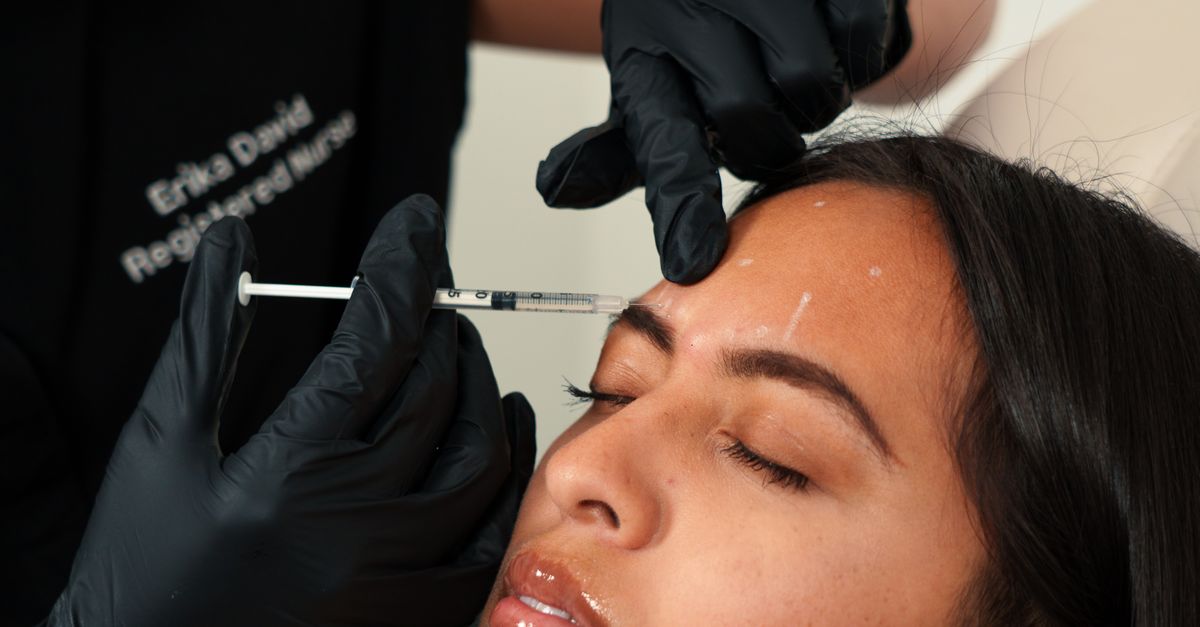
Liquid facelifts have gained popularity for their ability to create youthful contours with minimal downtime. Over time, patients often appreciate a gradual enhancement in their appearance as the injected substances settle and integrate with the skin. These results can last anywhere from several months to a couple of years, depending on the specific products used and individual factors like skin type and lifestyle choices. Many users report a sustained improvement in facial volume and structure, contributing to a refreshed look.
Regular touch-ups are encouraged to maintain the desired outcome. The longevity of the results can also be influenced by factors such as age and skin elasticity. Some individuals might find that after a series of treatments, their skin responds more positively, which could prolong the effects even further. As with any cosmetic procedure, individual experiences will vary, making it essential for patients to consult with qualified professionals for personalized guidance and recommendations on their treatment plans.
Duration of Effects and Maintenance
The duration of effects from a liquid facelift can vary based on the type of fillers used, individual metabolism, and skin condition. Typically, results can last anywhere from six months to two years. Hyaluronic acid-based fillers tend to last about six to twelve months, while other options, like calcium hydroxylapatite or poly-L-lactic acid, may provide longer-lasting effects. Regular follow-ups with a qualified practitioner can help patients determine the best schedule for touch-ups to maintain desired results.
Maintenance plays a crucial role in achieving sustained outcomes from liquid facelifts. Many practitioners recommend scheduling follow-up appointments every six to twelve months, depending on the specific filler used and personal aesthetic goals. Adopting a comprehensive skincare routine, incorporating sun protection, and staying hydrated can enhance the longevity of the treatment. Clients should also discuss any ongoing medical conditions or medications with their provider, as these factors can influence the effectiveness and duration of the fillers.
Potential Risks and Side Effects
Liquid facelifts, often perceived as a less invasive alternative to traditional surgical procedures, can still pose certain risks. Common side effects include swelling, bruising, and redness at the injection sites. These effects are typically temporary, resolving within a few days. However, more severe complications, although rare, may occur. Infections, allergic reactions, and the formation of lumps or nodules under the skin are potential issues that some patients may encounter.
Patients should also be aware of the possibility of experiencing an uneven appearance or asymmetry as a result of the injection technique. These concerns can often be addressed with follow-up treatments or adjustments. It's important for individuals to consult with qualified professionals to discuss their medical history and any potential contraindications specific to their case. Proper aftercare and adherence to the recommended guidelines can help mitigate risks and enhance overall satisfaction with the results.
Common Reactions and How to Manage Them
After a liquid facelift, certain reactions may occur as the body adjusts to the injected substances. Common side effects include swelling, redness, and mild bruising at the injection sites. These reactions usually resolve within a few days, but some patients may experience prolonged sensitivity or unevenness in the treated areas. It is essential to monitor these symptoms closely and reach out to your practitioner if concerns arise.
Managing these common reactions can often be accomplished with simple home remedies. Applying a cold compress can alleviate swelling and discomfort, while over-the-counter pain relievers may help ease any soreness. Keeping the head elevated during the initial recovery period can also reduce swelling. Following the aftercare instructions provided by your medical professional will further ensure a smoother recovery and minimize adverse effects.
Comparing Liquid Facelifts to Traditional Facelifts
Liquid facelifts utilize dermal fillers and neuromodulators to enhance facial contours and reduce signs of aging. This non-surgical approach offers immediate results with minimal downtime, making it an attractive option for individuals seeking facial rejuvenation without the invasiveness of traditional surgery. In contrast, traditional facelifts involve surgical techniques to tighten the underlying muscles and remove excess skin. This method provides more dramatic and longer-lasting results but requires a longer recovery period and carries higher risks associated with surgery.
The techniques differ significantly in both procedure and recovery. Liquid facelifts can often be performed in a doctor's office in less than an hour, allowing patients to resume normal activities almost immediately. Traditional facelifts, however, necessitate a more extended recovery, often involving a few weeks for swelling and bruising to subside. While both options have their advantages, the choice largely depends on individual goals, desired outcomes, and willingness to undergo surgery.
Key Differences in Technique and Recovery
Liquid facelifts involve the use of dermal fillers and injectables to restore volume and reduce the appearance of fine lines. The techniques utilized are minimally invasive, often requiring only a series of injections. This approach allows for immediate results with little downtime, enabling patients to return to their daily activities almost right away. Unlike traditional facelifts, which involve surgical interventions, liquid facelifts do not necessitate incisions or extensive recovery periods.
Traditional facelifts require a more extensive procedure with anesthesia and a longer recovery timeline. Surgical techniques involve lifting both the skin and underlying tissues, which can lead to more dramatic and long-lasting results. However, this comes with a higher risk of complications and requires a commitment to post-operative care. The decision between the two methods often hinges on an individual's goals, skin condition, and willingness to undergo a surgical procedure.
FAQS
What is a liquid facelift?
A liquid facelift is a non-surgical cosmetic procedure that uses injectable fillers and Botox to restore volume, enhance facial contours, and reduce the appearance of wrinkles.
How long do the results of a liquid facelift typically last?
The results of a liquid facelift can last anywhere from 6 months to 2 years, depending on the types of products used and individual factors such as metabolism and skin condition.
Are there any risks or side effects associated with liquid facelifts?
Yes, potential risks include bruising, swelling, allergic reactions, and in rare cases, more serious complications such as infection or vascular occlusion.
How can I manage common reactions after a liquid facelift?
Common reactions like swelling or bruising can be managed with cold compresses, over-the-counter pain relievers, and avoiding strenuous activities for a few days post-treatment.
How does a liquid facelift compare to a traditional facelift?
A liquid facelift is a non-invasive procedure that requires no downtime, while a traditional facelift involves surgical intervention, longer recovery time, and more significant changes to the facial structure.
Related Links
Enhancing Your Features with Temples and Forehead FillerThe Connection Between Facial Aesthetics and Confidence
The Benefits of Lip Enhancements at Gold Coast Cosmetic Clinics
The Impact of Facial Fillers on Youthful Appearance
Understanding the Process of Cheek Augmentation
The Role of Skin Boosters in Facial Aesthetics