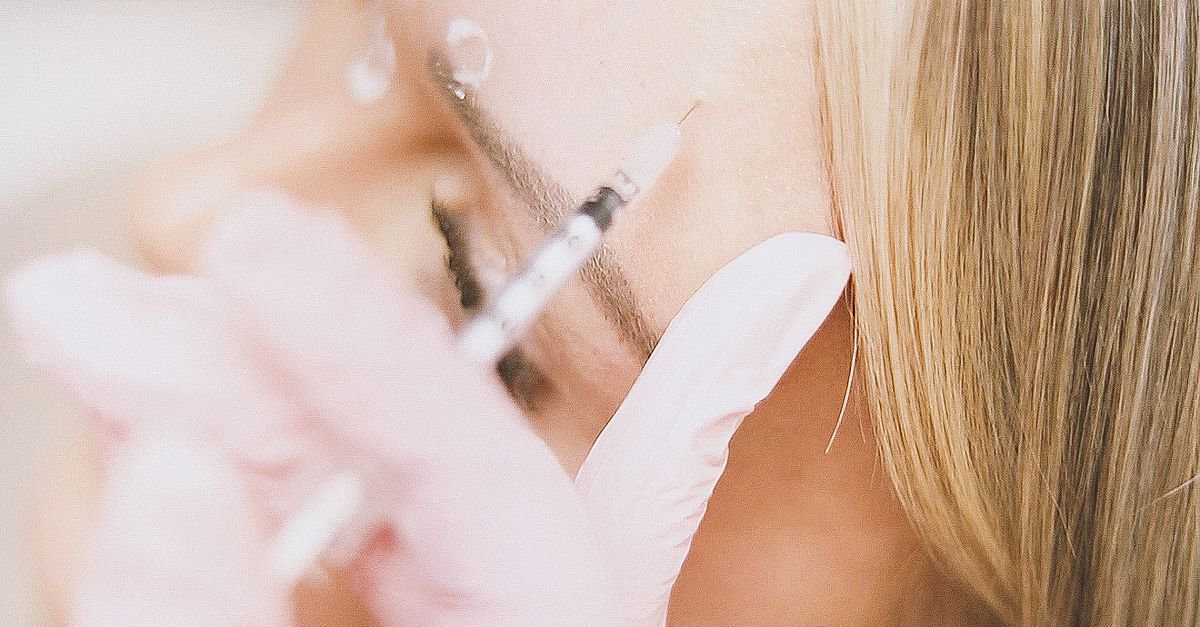
Monitoring Allergic Reactions to Dermal Fillers
Table Of Contents
When to Seek Medical Attention
Recognizing the signs of a potential allergic reaction to dermal fillers is crucial for ensuring safety. If you experience severe swelling, itching, or difficulty breathing shortly after treatment, prompt medical attention is essential. These symptoms can escalate rapidly and may indicate a serious reaction requiring intervention. Monitor the severity and persistence of your symptoms, as immediate care can make a significant difference in outcomes.
In addition to acute symptoms, it's important to be aware of delayed reactions that may occur days or even weeks after the procedure. Unexplained redness, prolonged swelling, or the appearance of hives should not be overlooked. Consulting with a healthcare professional in these cases can help determine whether further treatment is necessary and provide appropriate care tailored to the specific situation. Early intervention can prevent complications and promote a quicker recovery.
Emergency Symptoms to Know
Recognizing the signs of a severe allergic reaction is crucial for timely intervention. Sudden swelling of the face, lips, tongue, or throat can obstruct airways and lead to difficulty breathing. Hives or an itchy rash that spreads significantly is another indicator. In some cases, patients might experience gastrointestinal distress, including nausea, vomiting, or diarrhea. Feeling lightheaded or faint can signify a drop in blood pressure, which requires immediate medical attention.
Other alarming symptoms include a rapid or weak pulse and a sense of impending doom. Anaphylaxis, a severe allergic reaction, can develop quickly. It is vital for individuals receiving dermal fillers to monitor their body closely after the procedure. Early recognition of these emergency symptoms can significantly improve the outcome and safety of the individual.
Treatment Options for Allergic Reactions
Allergic reactions to dermal fillers may require prompt intervention to alleviate symptoms and ensure safety. The type of treatment often depends on the severity of the reaction. Mild reactions such as localized swelling or redness can generally be managed with over-the-counter antihistamines or topical corticosteroids. If the symptoms escalate, healthcare providers may recommend intramuscular injections of epinephrine or more potent corticosteroids administered through a vein.
In some cases, medical professionals might need to perform additional procedures to remove the filler if the reaction is severe and persistent. This approach could include using hyaluronidase to dissolve hyaluronic acid-based fillers. Comprehensive follow-up appointments may be necessary to monitor the patient's condition and adjust treatment as needed to prevent further complications.
Managing Symptoms Effectively
Managing allergic reactions to dermal fillers requires a systematic approach to minimize symptoms. Antihistamines can be the first line of defense for mild reactions, providing quick relief from itching and hives. In cases where swelling or redness occurs, cool compresses can help soothe the affected areas. It is essential to follow the guidance of a qualified healthcare provider to tailor the response to specific symptoms and severity.
For more severe reactions, the administration of corticosteroids may be necessary. This treatment helps reduce inflammation and can alleviate discomfort effectively. Monitoring the response to these interventions is crucial. If symptoms persist or worsen, further medical evaluation may be needed. Keeping open communication with a healthcare professional ensures that any changes in symptoms are addressed promptly.
Preventive Measures Before Treatment
Prior to undergoing dermal filler treatment, a comprehensive pre-treatment assessment is necessary. Discussing your medical history with a qualified practitioner is crucial. Disclosure of any existing allergies, previous reactions to injectable materials, or history of skin conditions can help tailor the treatment plan. A thorough evaluation may also include reviewing medications and supplements that could increase the risk of allergic reactions or complicate the recovery process.
Additionally, dermatologists or aesthetic practitioners may recommend patch testing. This involves applying a small amount of the filler under the skin to monitor for any immediate adverse reactions. Such testing ensures better safety and can confirm compatibility with your body. Maintaining open communication with the healthcare provider about any concerns or past experiences can further enhance overall safety and effectiveness.
Pre-Treatment Assessments
Conducting thorough pre-treatment assessments is essential for anyone considering dermal fillers. Practitioners should gather comprehensive medical histories that include past allergic reactions and current medications. This information helps identify potential risks associated with treatment and allows the provider to assess the patient's skin condition.
In addition to medical histories, skin testing may be beneficial in some cases. Performing a small test injection of the filler can reveal immediate allergic responses. This precaution helps in guiding the choice of filler used and ensures a safer experience for the patient during the actual procedure.
FAQS
What are the common allergic reactions associated with dermal fillers?
Common allergic reactions to dermal fillers may include redness, swelling, itching, or hives at the injection site. In some cases, more severe reactions such as difficulty breathing or chest tightness can occur.
How can I tell if I’m having an allergic reaction to dermal fillers?
Symptoms of an allergic reaction may appear shortly after treatment and can range from mild irritation to severe symptoms like swelling of the face, lips, or throat, difficulty breathing, or a rapid heartbeat. If you experience any of these, seek medical attention immediately.
What should I do if I experience an allergic reaction after receiving dermal fillers?
If you suspect an allergic reaction, monitor your symptoms and seek medical attention right away, especially if you experience severe symptoms. It's important to contact your healthcare provider or go to the nearest emergency room.
Are there preventive measures I can take before getting dermal fillers?
Yes, it's advisable to have a thorough pre-treatment assessment with your healthcare provider to discuss any previous allergic reactions, medical history, and potential risks. This can help determine if dermal fillers are safe for you.
Can I still get dermal fillers if I have a history of allergies?
Having a history of allergies doesn’t automatically disqualify you from receiving dermal fillers, but it’s crucial to discuss your allergic history with your healthcare provider. They can evaluate your specific situation and recommend the best course of action.
Related Links
Common Indicators of Complication in Laser Skin TreatmentsRecognising Unusual Swelling After Cosmetic Treatments
Detecting Abnormal Scarring After Laser Treatments
Handling Unexplained Pain After Cosmetic Enhancements
Recognising Persistent Redness After Facial Treatments
What to Look for with Uneven Results Post-Procedure
Assessing Changes in Skin Texture After Rejuvenation
Identifying Signs of Infection Following Injectables
Understanding Bruising and Its Durability Post-Procedure