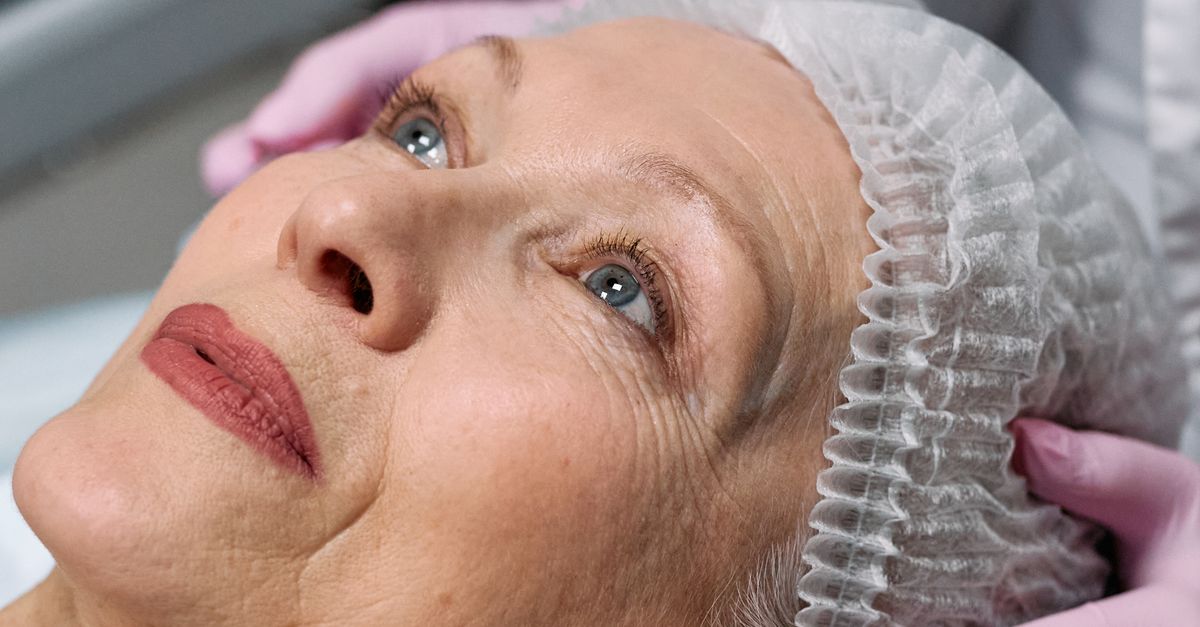
Recovery Expectations After Injectable Procedures
Table Of Contents
When to Resume Normal Activities
After undergoing injectable procedures, individuals often wonder when they can return to their usual activities. The timing largely depends on the specific treatment received, but many professionals generally recommend waiting at least 24 to 48 hours before resuming high-intensity workouts or vigorous physical activities. This period allows the body to begin healing and minimizes the risk of swelling or bruising, which can sometimes occur post-treatment.
Social engagements also warrant some consideration. While light activities may be resumed fairly quickly, allowing for a cautious approach to situations involving close personal interactions is wise. Most healthcare providers suggest waiting a few days post-treatment before participating in events where facial gestures or movements could draw attention to treated areas. Listening to the body's signals during recovery ensures a smoother transition back to normal life.
Guidelines for Physical and Social Engagement
After undergoing injectable procedures, it is crucial to give your body adequate time to recover before diving back into regular physical and social activities. Most experts suggest waiting at least 24 to 48 hours before engaging in strenuous exercises or rigorous physical activities. This recovery period allows any swelling or bruising to subside and helps minimize the risk of complications. Light activities such as walking or gentle stretching can be resumed earlier, as long as they do not cause discomfort.
Social engagements can often be resumed relatively quickly, although caution is advisable. It is wise to avoid situations that might expose the treated area to pressure or manipulation, such as facials or intense social gatherings where excessive laughing or movement may occur. Covering any visible signs such as bruising with makeup can offer confidence while attending social events, but always consider prioritizing comfort and your body's signals during the healing process.
Signs of Complications
After receiving injectable procedures, some post-treatment effects are to be expected. Minor swelling, bruising, and tenderness are common and usually resolve within a few days. However, if these symptoms persist beyond this timeframe or worsen, it may indicate an underlying issue. Changes in skin coloration or unusual lumps might also signal complications that warrant further attention.
In addition to local reactions, patients should be vigilant for signs of systemic responses. Symptoms such as fever, excessive swelling, or difficulty breathing require immediate medical evaluation. These may be indicative of an allergic reaction or infection. Timely identification of these issues enhances the chances of effective treatment and minimizes the risk of lasting damage.
Recognizing Red Flags After Treatment
After injectable procedures, it's crucial to monitor the treated area for any unusual changes. Persistent swelling or bruising beyond the typical recovery window may indicate a complication. Discoloration that doesn't fade or increases in size could signal an adverse reaction. Pain that is sharp or intensified instead of gradually subsiding warrants immediate attention from a healthcare professional.
Additionally, infection signs should not be overlooked. Warmth around the injection site, accompanied by redness or discharge, suggest a possible infection. Fever or chills following treatment may also raise concerns. If these symptoms arise, reaching out to your provider promptly can ensure an appropriate evaluation and timely intervention.
Long-Term Care Tips
Post-procedure maintenance is essential for achieving lasting results after injectable treatments. At-home care can significantly impact the appearance and longevity of your results. Incorporating a consistent skincare regimen, including the use of sunscreen, moisturizers, and targeted treatments, will help protect your skin. Regularly scheduled follow-ups with your practitioner can also ensure that your skin's condition is monitored and that any necessary adjustments to your care plan are made.
In addition to skincare, lifestyle choices play a crucial role in maintaining skin health. Proper hydration nourishes the skin from within, while a balanced diet rich in vitamins and antioxidants supports overall vitality. Avoiding excessive sun exposure and quitting smoking can further enhance the benefits of the injectable treatments. Engaging in gentle exercise and stress management techniques will contribute positively to your overall skin appearance.
Maintaining Results and Skin Health
Following injectable procedures, maintaining results requires a combination of skincare and lifestyle adjustments. Using high-quality moisturizers can help retain hydration and enhance the skin's overall appearance. Incorporating ingredients such as hyaluronic acid or peptides can further support skin health and boost the effectiveness of the treatment. It is also beneficial to establish a consistent skincare routine tailored to your skin type, which can promote long-lasting results from the procedure.
In addition to skincare products, protecting the skin from excessive sun exposure is crucial for preserving the effects of treatments. Applying a broad-spectrum sunscreen daily can shield the skin from harmful UV rays. Staying hydrated and maintaining a balanced diet rich in vitamins and antioxidants can support skin health from within. Regular follow-up appointments with a qualified professional can help monitor the results, address any concerns, and adjust your skincare regimen as needed.
FAQS
How long does it typically take to recover after injectable procedures?
Recovery times can vary depending on the type of injectable procedure performed, but most patients can expect to resume normal activities within 24 to 48 hours.
What should I avoid doing immediately after the treatment?
It’s generally advised to avoid strenuous exercise, excessive sun exposure, and alcohol consumption for at least 24 hours post-treatment to minimize the risk of complications.
What are some signs that I should be concerned about after my injectable procedure?
Look out for signs of complications such as excessive swelling, persistent pain, unusual bruising, or signs of infection like redness and warmth at the injection site. If you experience these, consult your provider immediately.
How can I maintain the results of my injectable treatments long-term?
To maintain results, it is crucial to follow post-treatment care instructions, stay hydrated, use sun protection, and consider regular follow-up treatments as recommended by your healthcare provider.
Is there any special skincare routine I should follow after injectable procedures?
Yes, it is advisable to use gentle skincare products, avoid harsh exfoliants, and maintain a consistent skincare routine that includes hydration and sun protection to support skin health and prolong the effects of the treatment.
Related Links
The Lifespan of Common Injectables and What to ExpectThe Role of Injectables in Facial Contouring
How to Choose the Right Injectable for Your Skin Type
Preparing for Your First Injectable Treatment
Common Myths About Injectables Debunked
Injectable Treatments for Enhanced Lip Definition