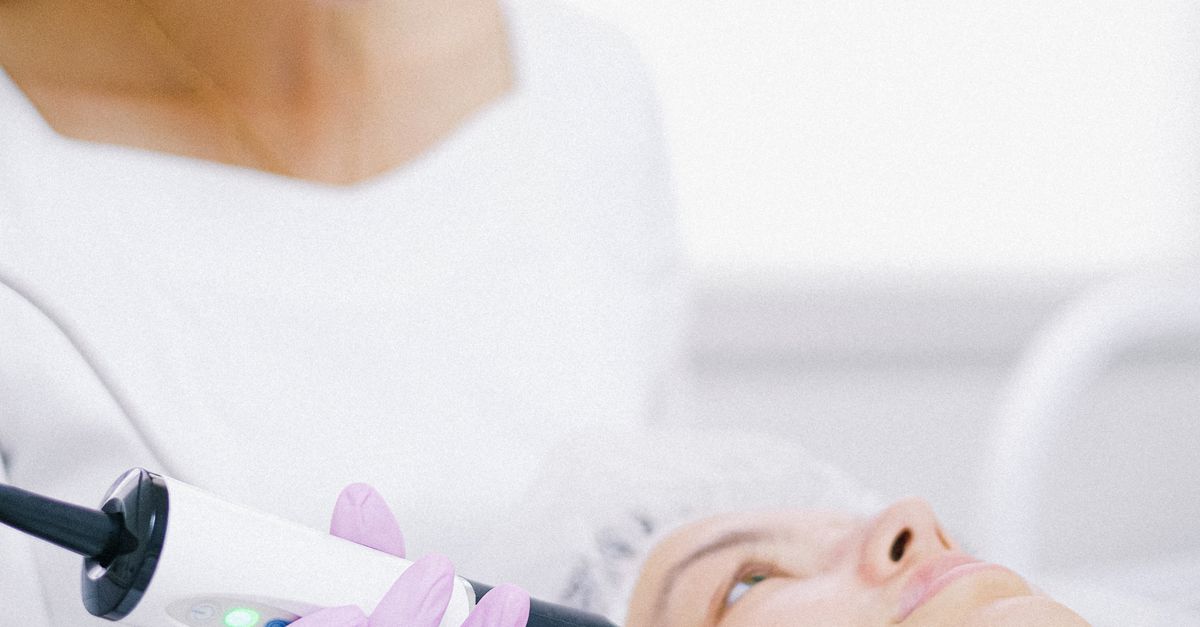
The Role of Chemical Peels in Acne Scar Treatment
Table Of Contents
Preparing for a Chemical Peel
Before undergoing a chemical peel, it is essential to consult with a qualified dermatologist or skincare professional. During this consultation, you will discuss your medical history, skin type, and specific concerns about your acne scars. The specialist may suggest specific preparations to ensure the procedure's effectiveness and minimize potential side effects. This step helps in devising a personalized treatment plan suited to your unique skin needs.
In the weeks leading up to the treatment, it is advisable to avoid certain skincare products, particularly those containing retinoids, glycolic acid, or other strong exfoliants. Such products can increase skin sensitivity and complicate the healing process. Additionally, sun exposure should be limited. Wearing sunscreen daily will protect your skin from harmful UV rays, which can interfere with the healing after the peel. Following these pre-treatment guidelines lays a strong foundation for a successful chemical peel experience.
Pre-Treatment Guidelines
It’s crucial to consult with a dermatologist before undergoing a chemical peel. A professional assessment will help determine the appropriate type of peel based on skin type and the severity of acne scarring. During this consultation, any underlying skin conditions should be discussed. This ensures the treatment plan is tailored to individual needs and maximizes effectiveness.
Prior to the procedure, patients should limit sun exposure. Sunburns can increase the risk of complications and affect healing. Using a broad-spectrum sunscreen with high SPF is advisable for protection. Additionally, individuals may be instructed to avoid certain skincare products containing retinoids or alpha hydroxy acids. Discontinuing these products helps prevent skin sensitivity and improves the overall outcome of the peel.
The Chemical Peel Procedure
During the chemical peel procedure, the skin is first cleansed to remove any impurities and enhance the efficacy of the treatment. A protective barrier may be applied to sensitive areas. The dermatologist or licensed practitioner then applies the chemical solution, which typically contains acids such as glycolic or salicylic acid, tailored to the individual's skin type and specific concerns related to acne scars.
As the chemical solution settles, patients might experience a tingling or burning sensation. The duration of the application varies depending on the depth of the peel being performed. After the required time has elapsed, the solution is neutralized and removed, and a soothing agent may be applied to calm the skin. Following the procedure, some redness and peeling are common as the skin begins to heal and regenerate.
What to Expect During the Treatment
During a chemical peel, patients are positioned comfortably in a treatment room. The skin is first cleansed thoroughly to remove any makeup, oils, or impurities. Depending on the type and strength of the peel, a topical anesthetic may be applied to minimize discomfort. The practitioner then carefully applies the chemical solution to the skin in a controlled manner. This solution typically contains acids that work to exfoliate the outer layers of the skin and promote cell turnover.
As the peel takes effect, patients may experience a tingling or burning sensation, which is often brief. The duration of the treatment varies based on the peel type used, ranging from a few minutes to upwards of an hour. Once the desired level of exfoliation is achieved, the practitioner neutralizes the peel, soothing any irritation. Patients may notice immediate redness or tightness of the skin, which is a normal response. This also signals the start of the healing process that can lead to improved skin texture and reduced appearance of acne scars.
Post-Treatment Care
After a chemical peel, the skin may be sensitive and require special attention. It is crucial to keep the area moisturized with a gentle, hydrating ointment. Avoid using any harsh or abrasive products that could irritate the skin. Sun protection becomes essential, as newly treated skin can be more susceptible to damage. Wearing broad-spectrum sunscreen with a high SPF daily is recommended, even when indoors, to prevent pigmentation changes.
Avoid direct exposure to the sun for at least two weeks after the procedure. Heat from activities like exercising or hot showers can aggravate the skin. Patients should refrain from picking at any peeling skin, as this can lead to scarring or infection. Following the provider's instructions on when to resume normal skincare products and routines will help ensure the best possible outcome.
Essential Aftercare for Optimal Results
Maintaining a proper aftercare routine is crucial for achieving the best results following a chemical peel. Patients should avoid direct sun exposure for at least a week post-treatment. Wearing a broad-spectrum sunscreen with at least SPF 30 shields healing skin from harmful UV rays. Gentle cleansing with mild, non-irritating products helps minimize any potential discomfort and supports the skin's recovery. Patients should also keep the skin well-moisturized using suitable hydrating creams recommended by their dermatologist.
It's important to refrain from picking at peeling skin or engaging in strenuous exercise for several days after the procedure. These actions can lead to irritation or complications. Regular follow-up appointments with a skincare professional can provide personalized guidance and adjustments to the aftercare regimen if needed. Listening to the skin's reactions is essential, so any unusual symptoms should be reported promptly to ensure optimal healing and results.
FAQS
What types of chemical peels are used for acne scar treatment?
There are several types of chemical peels used for acne scars, including superficial, medium, and deep peels. Superficial peels use mild acids like glycolic acid, while medium peels often use trichloroacetic acid (TCA) and deep peels typically involve phenol.
How many sessions of chemical peels are necessary to see results?
The number of sessions needed can vary based on the severity of the acne scars and the type of peel used. Generally, patients may require multiple sessions spaced several weeks apart to achieve optimal results.
Are chemical peels safe for all skin types?
While chemical peels can be effective for many skin types, individuals with very sensitive skin or certain skin conditions may need to use caution. It is essential to consult a dermatologist to determine the best approach for your skin type.
What should I avoid before getting a chemical peel?
Before a chemical peel, it is recommended to avoid sun exposure, certain medications (like retinoids), and exfoliating products. Your dermatologist will provide specific pre-treatment guidelines tailored to your skin.
How long does recovery take after a chemical peel?
Recovery time depends on the depth of the peel. Superficial peels may require only a few days of recovery, while medium and deep peels can take a week or more for the skin to fully heal. Following post-treatment care can help speed up the healing process.
Related Links
How Chemical Peels Can Improve Skin TexturePreparing Your Skin for a Chemical Peel
Aftercare Tips Following Your Chemical Peel Treatment
Understanding the Benefits of Chemical Peels for Skin Health
Evaluating Candidates for Chemical Peels
The Science Behind Chemical Peels: How They Work