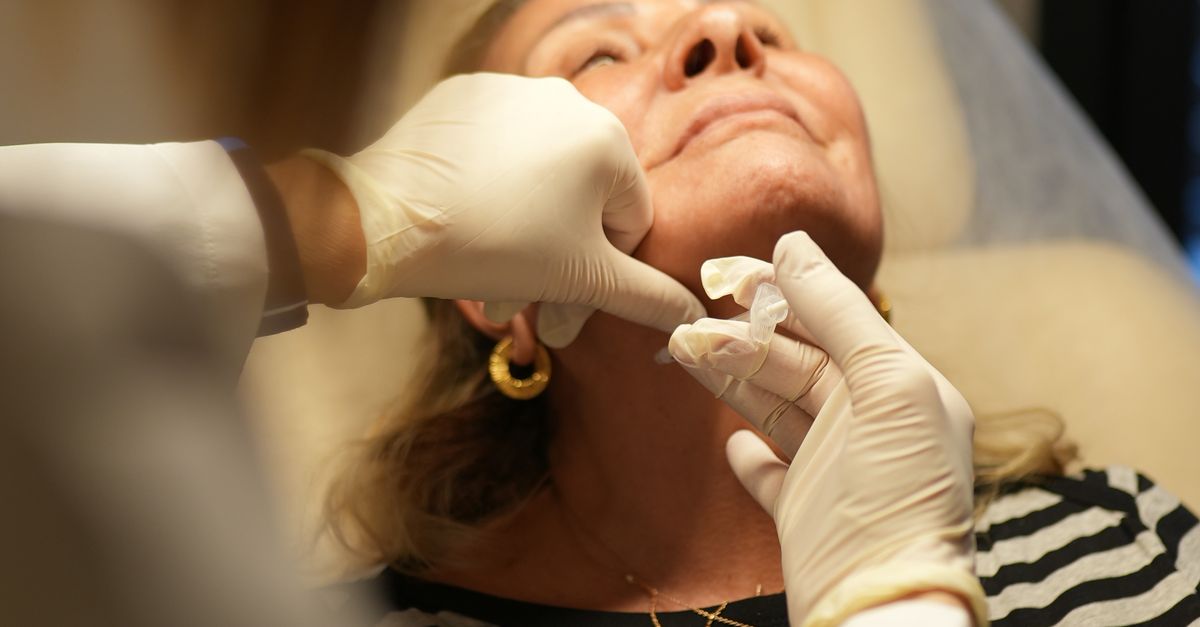
Choosing the Right Chemical Peel for Your Skin Type
Table Of Contents
Choosing the Right Chemical Peel
Selecting an appropriate chemical peel involves understanding your skin type and specific concerns. Different peels penetrate the skin at varying depths, which can have distinct outcomes. For individuals with sensitive skin, a milder option like a glycolic acid peel may be more suitable, while those looking to tackle deeper pigmentation issues may consider a stronger TCA peel. Identifying the correct formulation can minimize risks and optimize results.
Consulting with a skincare professional can provide valuable insights based on your unique skin characteristics. They can recommend the best approach tailored to your needs. Taking into account factors such as skin sensitivity, texture, and any underlying conditions can lead to a more satisfying and effective experience. Educated choices pave the way for achieving desired skin transformations while ensuring safety and comfort during the process.
Factors to Consider Based on Skin Type
Different skin types require careful consideration when selecting a chemical peel. For those with oily or acne-prone skin, salicylic acid peels are often effective due to their ability to unclog pores and reduce excess oil. On the other hand, individuals with dry or sensitive skin may benefit from milder options like lactic acid, which hydrates while exfoliating. It is crucial to assess not just skin type but also any specific concerns, such as hyperpigmentation or signs of aging, which can dictate the choice of peel strength and formulation.
Skin sensitivity should also influence the decision-making process regarding chemical peels. Those with rosacea or very sensitive skin might require a more cautious approach, considering gentle peels or even alternatives like enzymes that promote exfoliation without irritation. Consulting with a qualified skin care professional can provide insights tailored to individual needs, ensuring the selected peel aligns with both skin type and desired outcomes. Adopting a tailored approach can lead to more effective and satisfying results.
Preparing for Your Chemical Peel
Preparation plays a crucial role in achieving optimal results from a chemical peel. Consulting with a licensed dermatologist is essential to evaluate skin type and determine the most suitable peel. Discontinuing certain skincare products, such as retinoids and exfoliants, is recommended several days before the procedure. This helps to minimize irritation and ensures the skin is in the best condition for the treatment. Additionally, avoiding sun exposure and tanning beds can enhance the effectiveness of the peel.
Hydration is key in the days leading up to the appointment. Drinking plenty of water and using a gentle moisturizer can help maintain skin health. It’s advisable to inform your dermatologist about any medications or supplements you are taking, as some can affect the skin's reaction to the peel. Being transparent about your skin’s history and any previous treatments will enable the professional to tailor the approach for your specific needs.
Pre-Treatment Guidelines for Optimal Results
Before undergoing a chemical peel, it is essential to consult with a dermatologist or skincare professional. They can assess your skin type and any specific concerns you may have. Preparation can include avoiding certain products like retinoids and alpha hydroxy acids for a week prior to treatment. It's also advisable to limit sun exposure and wear sunscreen consistently to ensure your skin is in the best condition for the procedure.
Keeping your skin well-hydrated leading up to the peel can enhance its effectiveness. Incorporating gentle, hydrating cleansers and moisturizers into your routine helps to maintain skin barrier function. Additionally, it may be beneficial to perform a patch test on a small area if trying a new product. This precaution helps to identify any adverse reactions that could compromise the success of your chemical peel.
Aftercare Tips
Proper aftercare is crucial for achieving the best results following a chemical peel. Gently cleansing the skin with a mild, non-irritating cleanser is recommended. Moisturizing is essential to lock in hydration and aid the healing process. Products that contain soothing ingredients, such as aloe vera or hyaluronic acid, can help alleviate any discomfort or dryness experienced after the procedure.
Sun protection should be a top priority during the healing phase. Using a broad-spectrum sunscreen with an SPF of 30 or higher is essential to prevent further irritation or damage from UV exposure. Avoiding strenuous exercise and excessive sweating for a few days can also support recovery by minimizing irritation. Keeping the skin well-hydrated and avoiding harsh skincare products will promote healing and enhance the overall results of the peel.
Essential Post-Peel Care for Healthy Healing
After undergoing a chemical peel, proper post-treatment care is crucial for optimal healing and achieving desired results. It's important to keep the skin hydrated, using a gentle moisturizer that doesn’t irritate. Avoiding direct sun exposure is essential; wearing a broad-spectrum sunscreen with at least SPF 30 can help protect the skin from UV damage. This will also aid in minimizing potential pigmentation changes.
Gentle cleansing is key during the recovery phase. Opt for a mild, non-exfoliating cleanser to avoid further irritation. Steering clear of harsh products, including retinoids or alpha-hydroxy acids, is recommended until the skin has fully healed. Monitoring the skin for any signs of excessive redness or irritation is wise; should any concerning symptoms arise, consulting a skincare professional becomes necessary to ensure proper healing.
FAQS
What is a chemical peel, and how does it work?
A chemical peel is a skincare treatment that involves applying a solution to the skin to remove damaged outer layers. This process helps to improve skin texture, reduce the appearance of fine lines, and treat issues like hyperpigmentation and acne.
How do I determine my skin type before choosing a chemical peel?
To determine your skin type, consider factors such as oiliness, dryness, sensitivity, and the presence of conditions like acne or rosacea. You can also consult a dermatologist for a professional assessment to identify the best peel for your specific needs.
Are there different types of chemical peels?
Yes, there are three main types of chemical peels: superficial, medium, and deep. Each type varies in strength and depth of penetration, making them suitable for different skin concerns and types.
What should I do to prepare for a chemical peel?
To prepare for a chemical peel, it’s essential to follow pre-treatment guidelines such as avoiding sun exposure, discontinuing certain medications, and maintaining a regular skincare routine that prepares your skin for the treatment.
How should I care for my skin after a chemical peel?
After a chemical peel, it's important to follow a proper aftercare routine, which may include avoiding sun exposure, using gentle skincare products, moisturizing regularly, and following any specific instructions given by your skincare professional to promote healing.
Related Links
Chemical Peels: What to Expect During Your TreatmentAftercare Tips Following Your Chemical Peel Treatment
Understanding the Benefits of Chemical Peels for Skin Health
Evaluating Candidates for Chemical Peels
How Chemical Peels Can Improve Skin Texture
The Role of Chemical Peels in Acne Scar Treatment
Preparing Your Skin for a Chemical Peel
The Science Behind Chemical Peels: How They Work