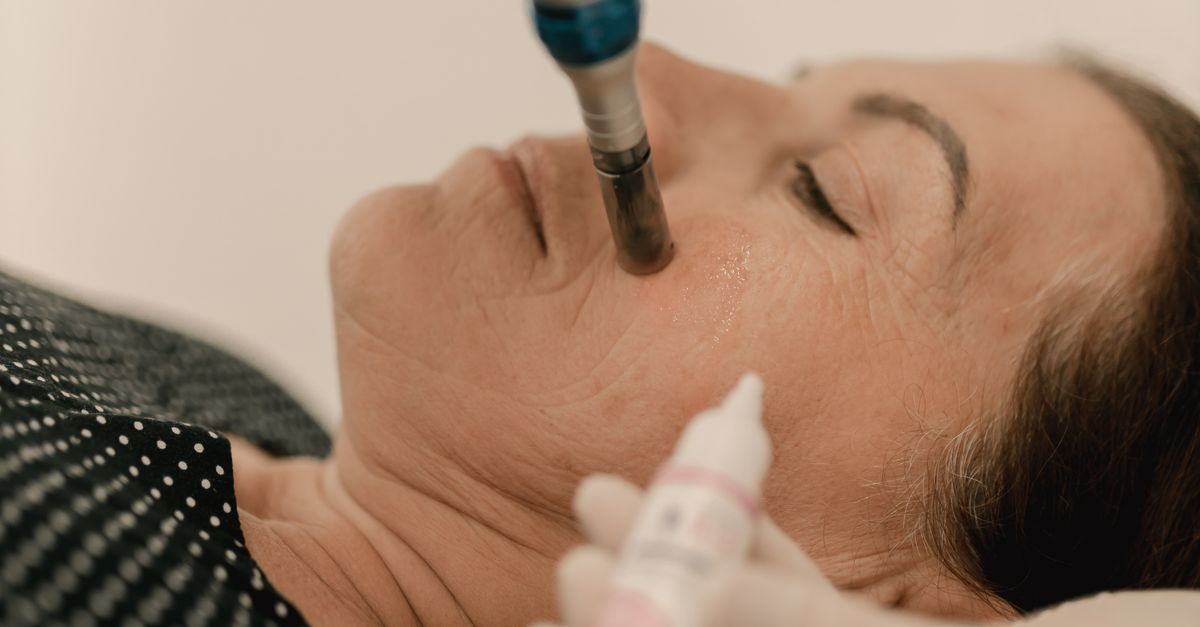
Combining Treatments: Enhancing Results with Layered Approaches
Table Of Contents
Timing and Sequencing in Layered Approaches
The order in which treatments are administered can significantly influence outcomes in layered approaches. Proper timing ensures that the synergistic effects of different therapies are maximized. Specific treatments may require a period of adjustment before another is introduced. This careful planning helps in minimizing side effects and optimizing the overall efficacy of the combination.
When evaluating treatment plans, it is essential to consider individual patient responses. Certain therapies may enhance the effectiveness of others depending on their mechanisms of action. Adjusting the timing of treatments based on monitoring results can lead to improved outcomes. Practitioners benefit from a dynamic approach, enabling them to refine strategies as treatment progresses.
The Importance of Treatment Order
The sequence in which treatments are administered can significantly impact their overall efficacy. Certain therapies may enhance the effectiveness of others if delivered in a specific order. For example, administering a foundational treatment first can set the stage for subsequent therapies to work more effectively, addressing underlying issues before targeting surface-level concerns.
In addition to enhancing outcomes, proper treatment order can also help minimize potential side effects. Some treatments may interact negatively when given simultaneously, while others can counteract adverse reactions. By carefully planning the sequence, practitioners can create a tailored approach that maximizes benefits and promotes patient safety. Understanding the optimal timing of each intervention is essential for achieving the best possible results in a combined treatment strategy.
Case Studies of Successful Treatment Combinations
Numerous successful treatment combinations illustrate the effectiveness of layered approaches across various medical conditions. One notable case involved a patient diagnosed with moderate to severe psoriasis who underwent both topical therapies and systemic medications. The patient initially used a potent topical corticosteroid, followed by the introduction of a biologic agent. This sequenced treatment resulted in significant skin clearance, demonstrating how layering treatments can enhance overall efficacy.
Another example can be seen in the management of chronic pain. A patient receiving physical therapy combined with cognitive-behavioral therapy experienced improved outcomes compared to those using either method alone. The integration of physical rehabilitation focused on strengthening and flexibility, while psychological support helped address underlying stress, thus amplifying the overall benefits of both modalities. These cases highlight the potential of targeted combinations in achieving superior health outcomes.
Real-Life Examples of Enhanced Results
In one notable case, a patient struggling with severe depression experienced significant improvement through a combination of cognitive behavioral therapy (CBT) and medication management. The therapist implemented weekly sessions focused on skill-building and emotion regulation techniques while the psychiatrist adjusted the dosage of an SSRI. Over the course of several months, the patient reported a noticeable decrease in symptoms and an enhanced sense of well-being.
Another example highlights a chronic pain patient who benefited from an integrated approach involving physical therapy, acupuncture, and mindfulness training. Initially, the patient attended physical therapy sessions for targeted exercises. Once some mobility was regained, acupuncture sessions were added to address pain levels. Mindfulness training, introduced later, helped the patient develop coping mechanisms for pain flare-ups. This layered strategy resulted in reduced pain perception and improved overall functionality in daily life.
Monitoring Progress in Combined Treatments
Effectively monitoring progress is essential when utilizing combined treatment approaches. Establishing clear metrics helps practitioners and patients alike understand the effectiveness of the treatments being administered. Regular assessments may involve tracking symptoms, side effects, and overall patient well-being. This can include quantitative measures, such as lab results or severity scales, alongside qualitative observations shared by the patient.
Documenting these changes over time allows for a more nuanced understanding of how different treatments interact. Adjustments can be made based on real-time feedback, ensuring that the treatment plan remains responsive to the patient's evolving needs. Consistent communication between healthcare providers and patients fosters a collaborative environment, where adjustments can be quickly addressed and the overall strategy refined for better outcomes.
Keeping Track of Changes and Adjustments
Effective monitoring is crucial when combining treatments. Each therapy can interact differently, necessitating careful observation of patient responses. Regular assessments can help identify beneficial effects and side effects, allowing practitioners to make informed adjustments. Documentation of symptoms, treatment effects, and patient feedback enhances this process.
Adjustments should be made promptly if unexpected reactions occur or if the desired outcomes are not met. Utilizing tools like treatment diaries or digital health platforms aids in tracking progress seamlessly. Engaging patients in their treatment journey fosters a collaborative environment, encouraging communication of any changes they experience. This partnership can lead to more personalized care and improved results.
FAQS
What are layered approaches in treatment?
Layered approaches in treatment refer to combining multiple therapeutic modalities or techniques to enhance overall results. This method allows practitioners to target different aspects of a condition simultaneously, potentially leading to improved outcomes.
Why is timing important in layered treatments?
Timing is crucial in layered treatments because the order and timing of each treatment can significantly affect their efficacy. Proper sequencing ensures that each therapy complements the others and maximizes the benefits while minimizing any potential negative interactions.
Can you provide examples of successful treatment combinations?
Yes, successful treatment combinations can vary widely depending on individual needs. For example, a patient may benefit from a combination of physical therapy and acupuncture for pain management or using both medication and cognitive-behavioral therapy for mental health issues.
How can I monitor my progress with combined treatments?
Monitoring progress with combined treatments involves regularly assessing your symptoms and overall well-being. Keeping track of changes in response to each treatment, through journals or progress charts, can help you and your healthcare provider make necessary adjustments.
Are there any risks associated with combining treatments?
While combining treatments can enhance results, there are risks involved, such as potential interactions between therapies or side effects. It’s essential to work closely with a healthcare professional to evaluate the safety and effectiveness of the chosen combination.
Related Links
Tips for Choosing the Right Chemical Peel for Your Skin TypeAddressing Common Misconceptions about Skin Rejuvenation
The Advantages of PRP Therapy for Skin Health
The Science Behind Microdermabrasion and Its Effects
What to Expect During Your Skin Rejuvenation Consultation
Exploring the Role of Microneedling in Skin Rejuvenation