Exploring the Role of Microneedling in Skin Rejuvenation
Table Of Contents
Microneedling for Different Skin Types
Microneedling is a versatile treatment that can be effective for various skin types, addressing a range of concerns from acne scars to fine lines. Individuals with oily skin may find that the procedure reduces excess sebum production and minimizes the appearance of pores. On the other hand, those with dry or sensitive skin often benefit from the boosted hydration and improved skin texture that microneedling can provide. The treatment encourages collagen production, which is crucial for maintaining skin elasticity and overall health.
Customized microneedling sessions can target specific skin issues tailored to individual needs. For example, patients with hyperpigmentation may require different needle depths or techniques to achieve optimal results. Dermatologists can also incorporate appropriate serums or PRP (platelet-rich plasma) during the session, enhancing the rejuvenation process. This personalized approach ensures that microneedling can safely and effectively benefit all skin types, maximizing its potential while minimizing any adverse effects.
Tailoring the Treatment to Your Needs
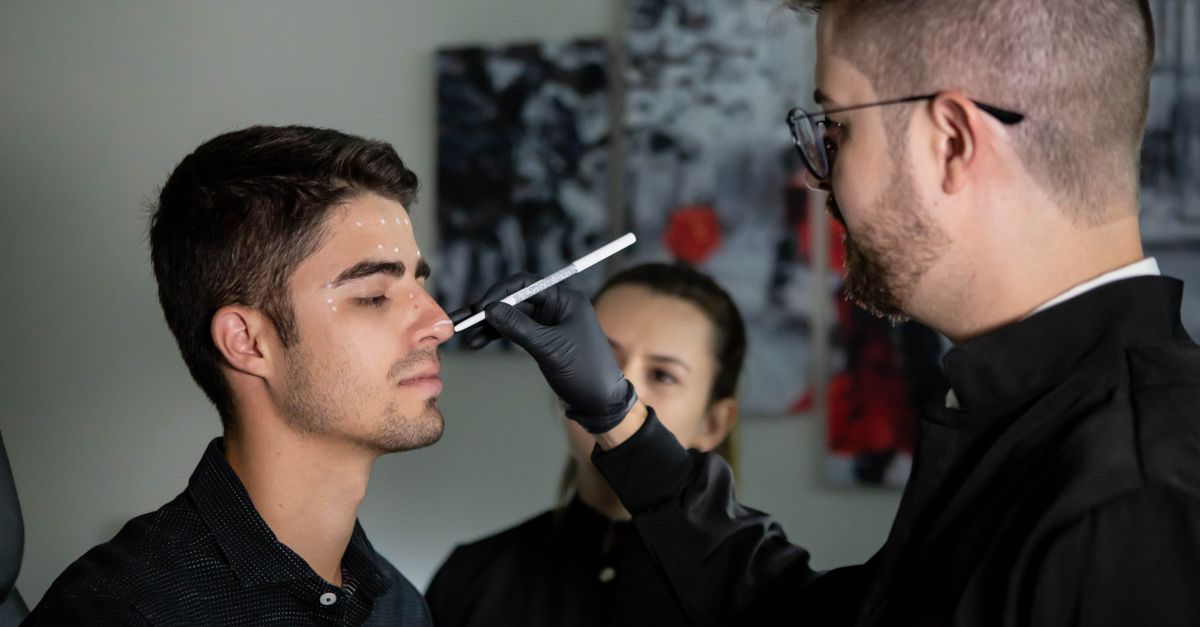
Every individual's skin has unique characteristics that influence how they respond to treatments. Factors such as skin type, texture, and specific concerns like acne scars or fine lines play a crucial role in designing a microneedling regimen. A thorough consultation with a skincare professional helps determine the optimal needle depth and frequency for each client. Customized approaches ensure that the treatment addresses specific issues while minimizing discomfort and downtime.
In addition to the foundational aspects of skin type and concerns, personal preferences must also be considered. Some clients may prioritize minimal recovery time while others may be more concerned about achieving aggressive results. The speed of recovery can be balanced with the intensity of treatment based on individual lifestyles and goals. This tailored approach not only enhances efficacy but also fosters a positive experience, increasing the likelihood of long-term satisfaction and adherence to the skincare regimen.
Combining Microneedling with Other Treatments
Microneedling has gained popularity as a standalone treatment for skin rejuvenation. However, many practitioners recommend combining it with other therapies to enhance results. For example, pairing microneedling with platelet-rich plasma (PRP) can promote healing and boost collagen production. This combination utilizes the body's natural growth factors and amplifies the overall rejuvenation effect. Likewise, using topical serums during or after the procedure can further improve skin texture and hydration.
Another effective combination involves integrating microneedling with laser treatments. This approach allows for more comprehensive skin revitalization by targeting different layers of the skin simultaneously. Patients may experience improved outcomes in terms of tone and texture when these treatments are used in conjunction. Each combination must be tailored to an individual's skin type and specific goals, ensuring personalized care that maximizes benefits while minimizing downtime.
Exploring Synergistic Skin Care Options
Integrating microneedling with other skincare treatments can significantly enhance overall results. Combining it with serums or topical treatments rich in hyaluronic acid or vitamin C can maximize hydration and promote collagen production. This synergistic approach allows the micro-injuries created by microneedling to facilitate deeper absorption of beneficial ingredients, thus amplifying their effects on the skin.
Additionally, pairing microneedling with treatments such as chemical peels or laser therapy can address multiple skin concerns simultaneously. Each method complements the other, yielding improved texture, tone, and elasticity. However, careful consideration must be given to timing and skin sensitivity to avoid potential irritation. Customized treatment plans can ensure safe and effective outcomes tailored to individual skin types and needs.
Potential Risks and Side Effects
While microneedling is generally considered safe for most individuals, potential risks and side effects do exist. Common reactions include transient redness, swelling, and minor discomfort at the treatment site. These symptoms typically resolve within a few days. More serious complications can arise, such as infections, scarring, or hyperpigmentation, particularly in individuals with darker skin tones or those who do not follow post-treatment care guidelines.
Patient selection plays a significant role in minimizing adverse effects. Those with active skin conditions like acne or eczema, as well as those who are pregnant or have certain medical conditions, may face increased risks and should consult with a qualified practitioner. Understanding these factors can help individuals make informed decisions about undergoing microneedling procedures.
Understanding the Safety Profile of Microneedling
Microneedling is generally considered a safe procedure when performed by trained professionals. The technique involves creating micro-injuries in the skin using tiny needles, which stimulates collagen production and promotes healing. Safety measures are crucial; practitioners should adhere to strict guidelines regarding sterilization and equipment quality. Patients must also follow pre- and post-treatment instructions to minimize risks.
While side effects are typically mild and temporary, they can include redness, swelling, or minor discomfort following the treatment. Serious complications are rare but can occur, especially if the procedure is performed incorrectly. Individuals with certain skin conditions or those taking specific medications should consult with their healthcare provider to determine if microneedling is appropriate for them. Proper assessment and understanding of potential risks can help ensure a positive experience.
FAQS
What is microneedling and how does it work?
Microneedling is a minimally invasive cosmetic procedure that involves using fine needles to create tiny punctures in the skin. This process stimulates the body’s natural healing response, promoting collagen and elastin production, which can lead to improved skin texture and appearance.
Is microneedling suitable for all skin types?
Yes, microneedling can be tailored to suit different skin types, including dry, oily, and sensitive skin. It’s important to consult with a certified professional who can assess your skin and customize the treatment to your specific needs.
Can microneedling be combined with other skin treatments?
Absolutely! Microneedling can be effectively combined with various treatments such as chemical peels, PRP (Platelet-Rich Plasma) therapy, and laser treatments to enhance results. This combination approach can address multiple skin concerns simultaneously.
What are the potential risks and side effects of microneedling?
Some common side effects of microneedling include redness, swelling, and minor discomfort in the treated area, similar to a mild sunburn. Although rare, there can be risks of infection or scarring if not performed correctly, which is why it’s crucial to choose a qualified practitioner.
How long does it take to see results from microneedling?
Results from microneedling can typically be seen within a few days, with continued improvement occurring over several weeks as collagen production increases. Most patients may require multiple sessions for optimal results, depending on their skin goals.
Related Links
What to Expect During Your Skin Rejuvenation ConsultationThe Importance of Skin Assessment Before Rejuvenation
The Advantages of PRP Therapy for Skin Health
The Science Behind Microdermabrasion and Its Effects
Tips for Choosing the Right Chemical Peel for Your Skin Type
Combining Treatments: Enhancing Results with Layered Approaches
Addressing Common Misconceptions about Skin Rejuvenation
How to Achieve Radiant Skin with LED Light Therapy
Understanding the Benefits of Chemical Peels for Skin Renewal